
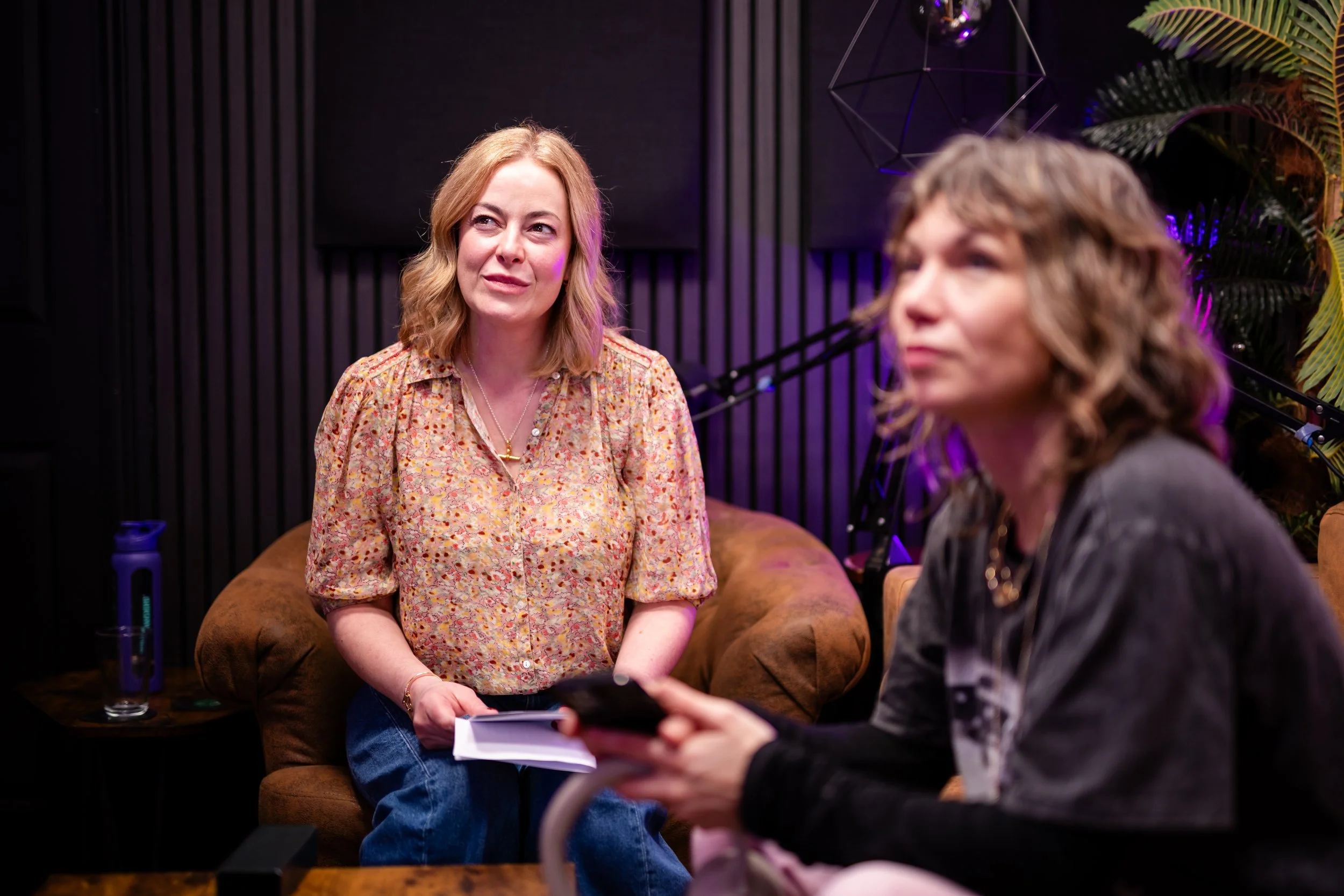
When Everything Shifts at Once:
Hormones, Neurodivergence, and the Midlife Unmasking with Sophie Cartledge
For many women, perimenopause and ADHD discovery arrive at almost exactly the same moment, and untangling which is which can feel impossible. In this episode, Dr Emma Offord is joined by Sophie Cartledge, founder of Hormones on the Blink, late-identified autistic and ADHD woman, mum of three, and one of the most important voices working at the intersection of hormone health and neurodivergence.
When Perimenopause Hits Like a Catastrophe
Sophie's perimenopause journey started at 40, and what followed felt, in her own words, like every catastrophe she could name. A career that no longer fit. Rage that came up from her feet. A nervous system she no longer recognised. And a medical system that repeatedly offered her antidepressants when what she needed was someone to join the dots.
Finding the Map: ADHD, Then Autism
Through her research into why so many women are being identified as neurodivergent during perimenopause, Sophie discovered her own ADHD, and then, within days, the profound and foundational piece underneath: that she was autistic too. She describes it as tectonic plates shifting back into alignment. As finally getting the map.
What Happens in the Body and the Brain
This is a conversation about what happens when oestrogen drops and the scaffolding shifts. About identity whiplash. About the difference between burnout and unmasking. About rage as information. About the lights on in houses across the country, all the women sitting up at 3am feeling like they are the only one.
What Becomes Possible on the Other Side
It is also a conversation about what becomes possible on the other side. The heart-led businesses. The reclaimed joy. The self that was locked away before secondary school, finally allowed back out.
Together They Explore
Why perimenopause so often acts as the catalyst for late neurodivergent identification, and the science behind why
The relationship between oestrogen, dopamine, and the neurodivergent nervous system
What identity whiplash actually feels like, and why the mental health signs of perimenopause are so consistently missed
How rage in perimenopause can be information rather than pathology
The experience of positive disintegration, when everything falls apart so it can be rebuilt more truly
The difference between burnout and unmasking, and why confusing the two can keep you stuck
Why the medical system keeps reaching for antidepressants, and what needs to change
What partners, families, and employers can actually do to help
How to get through the darkest moments, one five-minute window at a time
Sophie's message to every woman sitting up at 3am, light on, feeling completely alone
Connect with Sophie: @hormonesontheblink
This Voice Is Mine: The Unquiet Podcast is hosted by Dr Emma Offord, clinical psychologist and founder of Divergent Lives. For every neurodivergent mind that was masked, misread, or missed.
Time stamped episode moments
08:54: Why GPs default to antidepressants instead of recognising perimenopause
19:37: Rage described as a physical sensation rising with no name for it at the time
23:11: What partners and family can actually do to help
25:28: What identity whiplash actually feels like
36:24: Discovering ADHD, then autism: "tectonic plates shifting back"
50:35: The "lights on in houses" image: you are not alone
Q: Can perimenopause trigger a late ADHD or autism diagnosis?
Yes. Hormonal shifts in perimenopause can unmask neurodivergent traits that were previously masked or compensated for, which is why many women are identified as ADHD or autistic for the first time in their 40s. Falling oestrogen affects dopamine regulation, which can make existing neurodivergent traits far harder to manage or hide.
Q: Why do doctors offer antidepressants instead of recognising perimenopause?
Many GPs are trained to associate menopause with women over 50, so symptoms appearing in the 40s are often missed. Guidelines have shifted to include women over 40, but antidepressants and birth control remain the two most commonly offered options, even when the underlying cause is hormonal.
Q: What is "identity whiplash" in perimenopause?
Identity whiplash describes the disorienting shift in how you see yourself and the world once perimenopause and neurodivergent identification collide. Things that once felt manageable, like an empty bread bin, can suddenly feel overwhelming, and many women describe feeling like they are crumbling from the inside out.
Q: What's the difference between burnout and unmasking?
Burnout is what happens when your nervous system has run out of resource and needs time to heal. Unmasking is the process of recognising and reconnecting with who you are underneath years of compensating. The two often arrive together in midlife, which makes them easy to confuse, but they need different kinds of support.
Q: Can rage be a sign of perimenopause or neurodivergence?
Rage is a common experience in perimenopause, and it often intensifies for neurodivergent women. Sophie Cartledge describes it as information rather than pathology: rage frequently signals that a boundary has been crossed or a need has gone unmet for too long, not that something is wrong with you.
Q: How can partners or family support someone going through this?
The most useful question is simple: "What can I take off your plate?" Practical, concrete offers, like taking over a specific task without needing instructions, matter more than advice or reassurance.