
You were never the problem
Late Diagnosis, Shame, and the Power of Finally
Understanding your Brain with Lou Woods
You Were Never the Problem: Late Diagnosis, Shame, and the Power of Finally Understanding Your Brain with Lou Woods
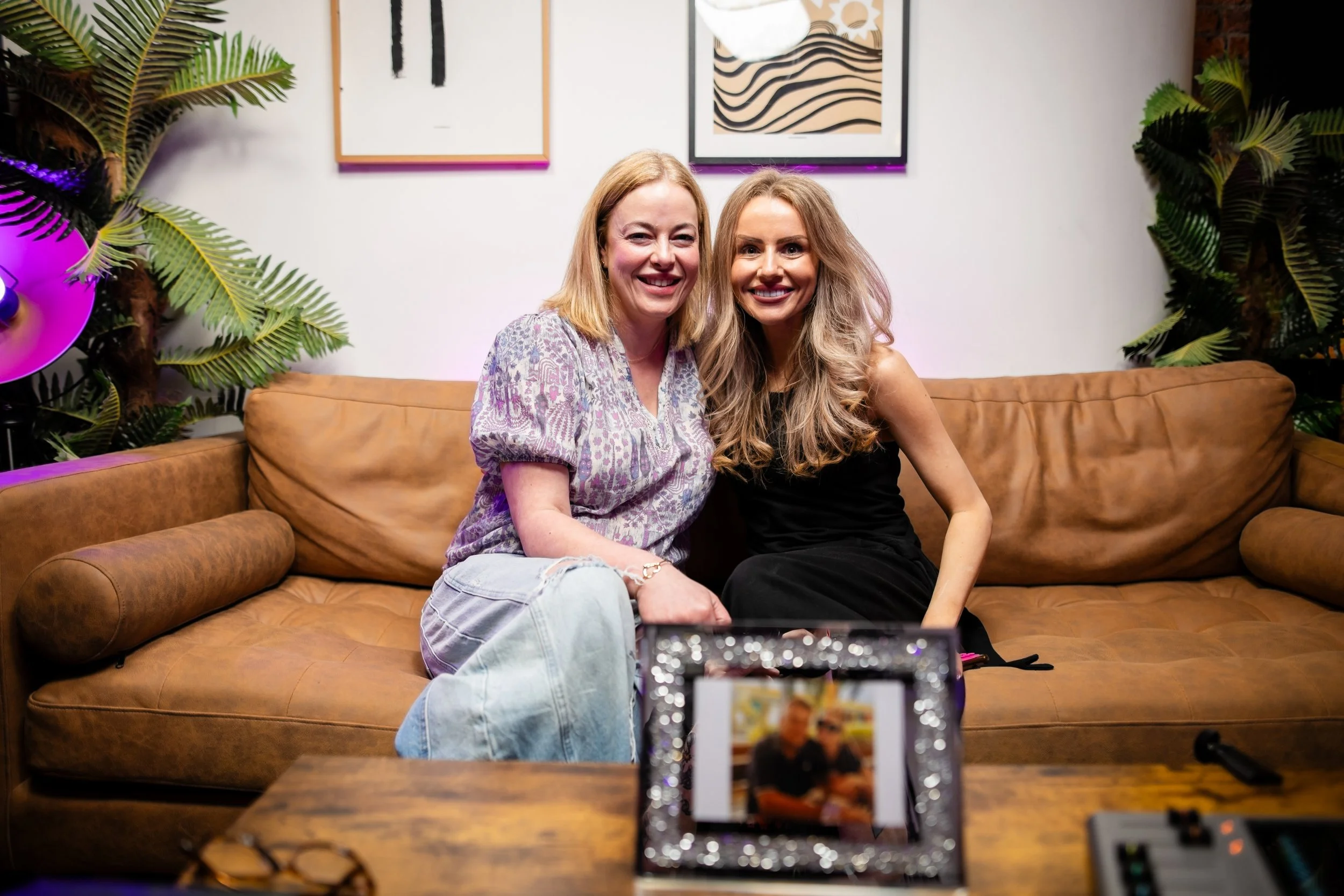
Late-diagnosed ADHD women often carry the same question Lou did for years: how did nobody know? In this episode, Dr Emma Offord is joined by Lou, ADHD coach, advocate, and founder of ADHD Interrupted, for one of the most honest conversations of the series. Lou was diagnosed in her 30s, after school, college, hospitalisation, and years of being told to simply try harder.
The systems that missed her
Lou went through school, three failed attempts at college, doctors, psychiatrists and two hospital admissions before anyone connected the dots. Nobody along the way recognised what she was living with. She describes the particular anger of realising, only after her diagnosis, that every system meant to help her had looked straight past her.
Secondary school and the unravelling
Lou's symptoms started to show at secondary school, something she says is common for many girls. She had the ability, she just could not apply it consistently, and years of falling behind without understanding why left her telling herself she was not academic and not good enough.
Decades shaped by an unnamed neurotype
Undiagnosed ADHD did not stay contained to one part of Lou's life. It ran through her mental health, her relationships, and the direction her twenties took, contributing to hospitalisation, alcohol and substance use, and a hedonistic lifestyle she now understands was never the whole story.
The moment therapy named it
Lou went to therapy for her drinking, her self-esteem and her impulsivity. It was her therapist who first said the word ADHD, unqualified to diagnose her himself but certain enough to encourage her to seek an assessment. Everything she had been carrying suddenly had a name.
Anger, grief, and the shape of relief
Diagnosis did not arrive as instant relief. Lou describes moving through anger at the systems that missed her, grief for the years lived without support, and only then something that began to look like peace. She is clear that this is not a tidy, one-note experience.
Where shame comes from, and how it lifts
Lou carried shame for decades: shame about school, about her mental health, about the years she calls lost. She talks openly about what it costs to hold that shame quietly, and what has helped her begin to put it down, largely through knowledge, community, and self-advocacy.
Learning to trust a brain the world misread
Understanding her neurotype gave Lou something she had never had before: genuine self-trust. She talks about the shift from constantly second-guessing herself to recognising her ADHD as a real and powerful part of how she is built, not a flaw to manage around.
A neurotype known like a blood type
Lou's hope for the future is simple and, she says, not really that radical. She wants a world where your neurotype is known the way your blood type is known: a fact about how you are made, stated plainly, without judgement attached.
Support for anyone just beginning to ask questions
For anyone only just starting to wonder whether their brain works differently, Lou has one message: you are not broken. She points to community and honest content as the starting point, the same things that helped her build a life rooted in understanding rather than self-blame.
Lou's vision for the future is one where your neurotype is known the way your blood type is known: simply a fact about how you are made, not a verdict on who you are. That vision runs through every corner of this conversation.
Time stamped episode moments
0:11 Introducing Lou: diagnosed with ADHD in her 30s. Opening intro and Lou's own summary of her journey to diagnosis.
5:33 "How did nobody know?" The anger at every system that missed her. School, college, doctors, psychiatrists, hospitals, and still nothing connected.
8:30 Secondary school: falling behind and calling herself "not academic". The unravelling Lou says is common for girls once they hit secondary school.
15:00 The hedonistic years, and losing her dad before she could explain. Hospitalisation, addiction, and the grief of never getting to tell her father why she was "like that."
24:00 PMDD: two weeks a month she describes as lost. The chronic, debilitating hormone-ADHD overlap Lou lives with, and how little it's understood.
44:54 Closing advice: "You aren't broken. You've got a really amazing gift." Lou's message to anyone just beginning to question whether their brain works differently.
What are the signs of undiagnosed ADHD in adult women?
For many women, undiagnosed ADHD looks like chronic self-doubt, difficulty finishing tasks despite clear ability, and a pattern of falling behind without understanding why. It often shows up as anxiety, low self-esteem, or a difficult relationship with alcohol, because the underlying neurotype was never named. Many women only recognise the pattern once someone else, often in therapy, points out that what looked like separate struggles was actually one connected picture.
Why is ADHD so often missed in girls at school?
ADHD in girls went largely unrecognised by schools and doctors until relatively recently, so many girls who struggled were simply told to try harder. Without the hyperactivity that fits the old stereotype, difficulty concentrating or finishing coursework tends to get read as a personal failing rather than a neurological difference. That gap in recognition is a major reason so many women are only diagnosed decades later.
Why are so many women diagnosed with ADHD later in life?
Late diagnosis happens partly because ADHD research and diagnostic thinking were built around how it shows up in boys, leaving girls and women under-recognised for generations. Many women only get answers after years of therapy for what looks like separate issues: anxiety, low self-esteem, impulsivity, or problems with alcohol. It usually takes someone else connecting the dots before a woman has the language for what she has been living with.
What is the link between PMDD and ADHD?
PMDD (premenstrual dysphoric disorder) is a severe, chronic hormone-related condition, and research suggests around half of women with ADHD also live with it. Falling oestrogen lowers dopamine, which hits particularly hard for a brain already running low on dopamine, so the emotional impact can be intense. It remains poorly understood and under-diagnosed, even though it can take out a significant chunk of someone's month.
How do you deal with shame after a late ADHD diagnosis?
Shame after a late diagnosis tends to lift slowly, through understanding rather than willpower. Learning the neuroscience behind ADHD, connecting with other neurodivergent people, and practising self-advocacy all help replace years of self-blame with genuine self-trust. It's rarely instant, but naming what was really happening all along makes space for compassion where there used to be shame.
Is it normal to feel angry after an ADHD diagnosis, or is that ungrateful?
Anger is a completely normal part of late diagnosis, and it usually isn't anger at yourself, but at every system that had the chance to notice and didn't. Diagnosis often brings a mix of anger, grief for the years lived without support, and relief, sometimes all in the same week. None of those feelings cancel each other out, and none of them make the diagnosis less welcome.