
The Gut, the Brain & the Unquiet Body:
A Conversation with Will Martin
The Gut, the Brain & the Unquiet Body: A Conversation with Will Martin
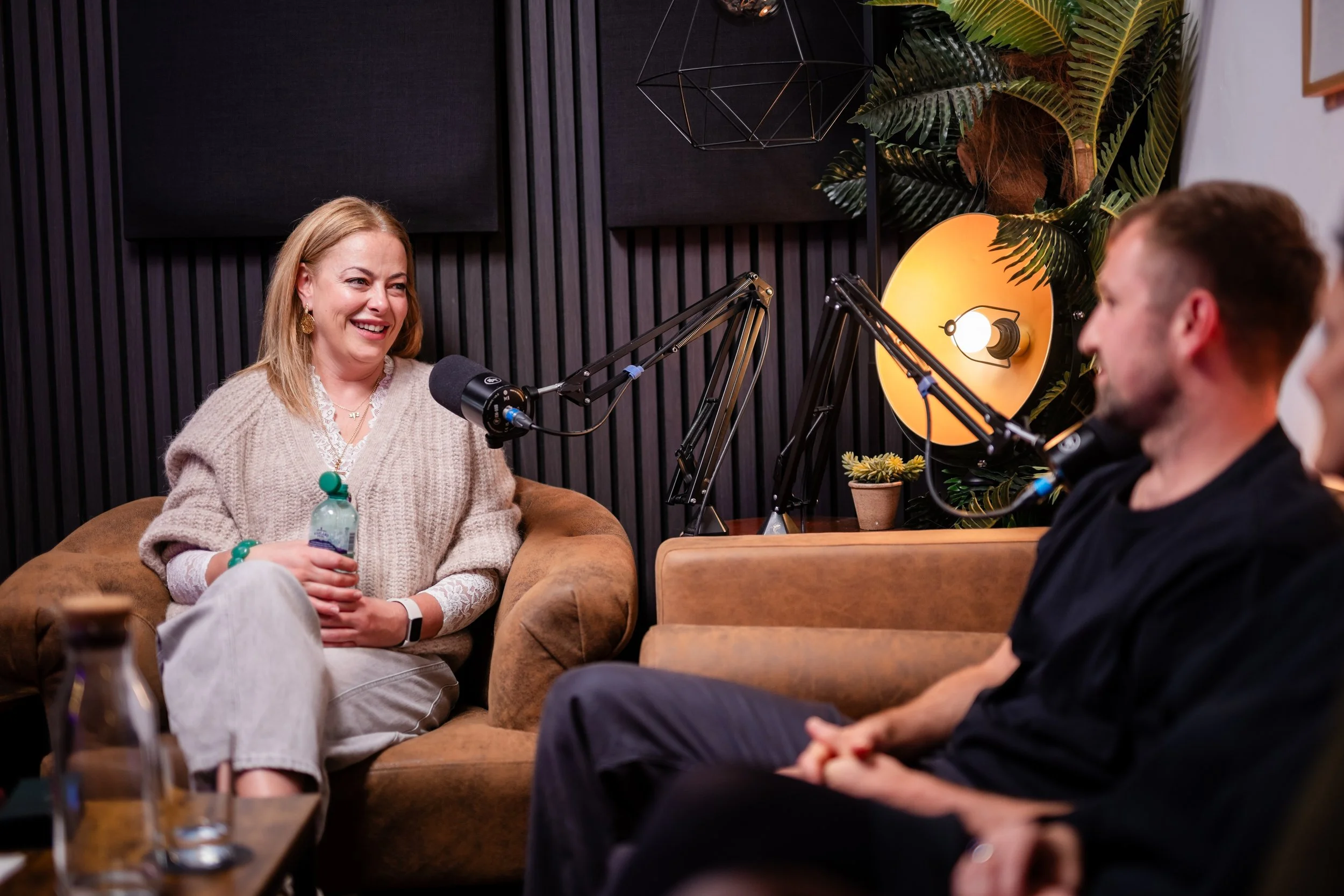
The gut-brain connection runs through every part of this conversation. Dr Emma Offord is joined by Will Martin, Nutritional Therapist, former teacher, and late-identified Dyslexic, Autistic ADHDer, for a grounding episode about ADHD, autism and the body's role in emotional regulation. Together they explore the internal world so many neurodivergent people carry quietly, the work harder conditioning, and what it means to finally feel safe in your own nervous system.
Growing up sensitive, misunderstood and unheard
Will talks openly about growing up feeling like he didn't belong, with no language for what was happening inside. School felt relentlessly hard, and the only outlets that made sense were design and sport. Everything else, including a near constant internal chatter, stayed unspoken because no one ever thought to ask what was going on underneath.
A late diagnosis of dyslexia, autism and ADHD
Will shares the story of his late diagnosis of dyslexia, autism and ADHD, and the grief, clarity and identity shift that came with it. For so many late-identified adults, this moment isn't about becoming someone new. It's about finally getting the context for a life that always made sense from the inside, even when it didn't look that way from the outside.
Anxiety, indecision and burnout: the cost of masking
Chronic anxiety, struggling to make even small decisions, and cycles of burnout were not random for Will. They were downstream effects of years of masking, of working harder to meet a bar that kept moving. Emma and Will unpack how these patterns build quietly over time, often mistaken for personality traits rather than what they really are.
Why neurodivergent mental health is physiological, not pathological
A central thread of this episode is the idea that neurodivergent mental health is often physiological and relational, not a list of problems to manage. Anxiety, low mood and burnout make sense as responses to environments that were never built with neurodivergent nervous systems in mind. Understanding this shifts the whole conversation from blame to context.
The gut-brain connection: nutrition, minerals and emotional regulation
Will brings his expertise as a Nutritional Therapist to explore the role nutrition, minerals, the gut-brain axis, hormones and lifestyle play in emotional regulation. This isn't about diets or quick fixes. It's about understanding how the body and brain communicate, and how supporting that communication can help bring a nervous system back towards safety.
Safety, not compliance: living and parenting differently
Will and Emma talk about why safety, not compliance, is the real foundation of learning, and how understanding his own neurobiology has allowed Will to parent, work and live with far more compassion for himself and others. The episode closes with Will reading his original poem, From Struggle to Strength, a reflection on identity, sensitivity and self-honouring.
This episode is essential listening for anyone navigating burnout, late identification, parenting neurodivergent children, or trying to understand their neurobiology with more compassion and less fear.
2:50 Missed dyslexia diagnosis, masking through school struggles
10:35 Fifty self-help books before late ADHD and autism diagnosis
14:41 The gut-brain axis explained: neurotransmitters, zinc, omega-22:53 Emma's own OCD experience and the nutrition connection
43:35 Why safety, not compliance, is the foundation of learning
47:13 Will reads his poem, "From Struggle to Strength"
What is the gut-brain axis, and why does it matter for ADHD and autism?
The gut-brain axis is the connection between your digestive system and your nervous system, linked by the vagus nerve. Nutritional therapist Will Martin explains that the gut helps produce neurotransmitters like dopamine, serotonin and GABA, which play a part in mood, motivation and feeling calm. Supporting gut health is one piece of the puzzle for understanding emotional regulation in neurodivergent people.
Can nutrition help with ADHD or autistic burnout?
Nutrition can be one part of supporting the nervous system through burnout, alongside rest, movement and connection. Key nutrients such as zinc, omega-3 and B vitamins (especially B6) play a role in producing neurotransmitters linked to mood and concentration. This isn't about fixing anything. It's about giving the body what it needs to feel safer and more regulated.
Why do so many neurodivergent adults get diagnosed later in life?
Many neurodivergent traits go unrecognised in childhood, especially when masking allows someone to get by without support. Will Martin describes years of internal chatter, anxiety and burnout that only made sense after his late diagnosis of dyslexia, autism and ADHD in his late twenties. Late identification often brings relief, grief and a clearer sense of self all at once.
Is using nutrition to support neurodivergent people the same as trying to cure autism or ADHD?
No. Will and Dr Emma Offord are clear that nutrition isn't about curing or erasing neurodivergence. It's about returning safety to the body, reducing overwhelm and helping people access the continuity of who they've always been.
What is masking, and how does it lead to anxiety and burnout?
Masking is the ongoing effort to hide or suppress neurodivergent traits to fit into environments that weren't built with you in mind. Over time, this constant adapting can lead to chronic anxiety, indecision and burnout, often experienced as cycles that feel impossible to explain. These responses aren't personal failings. They are signs of a nervous system that has been working overtime without enough safety.
Why is safety, not compliance, important for neurodivergent children at school?
A quiet or compliant child isn't necessarily a regulated or safe one. When children feel safe, genuine learning becomes possible, but when classrooms prioritise outcomes over emotional regulation, neurodivergent children can mask all day and reach burnout by the time they get home. Recognising signs of dysregulation early, and responding with understanding rather than correction, helps children feel safe enough to learn and be themselves.