
Permission to Parent Differently
Burnout, Regulation, and Finding Your Voice with Lisa Galley
Permission to Parent Differently: Burnout, Regulation, and Finding Your Voice with Lisa Galley
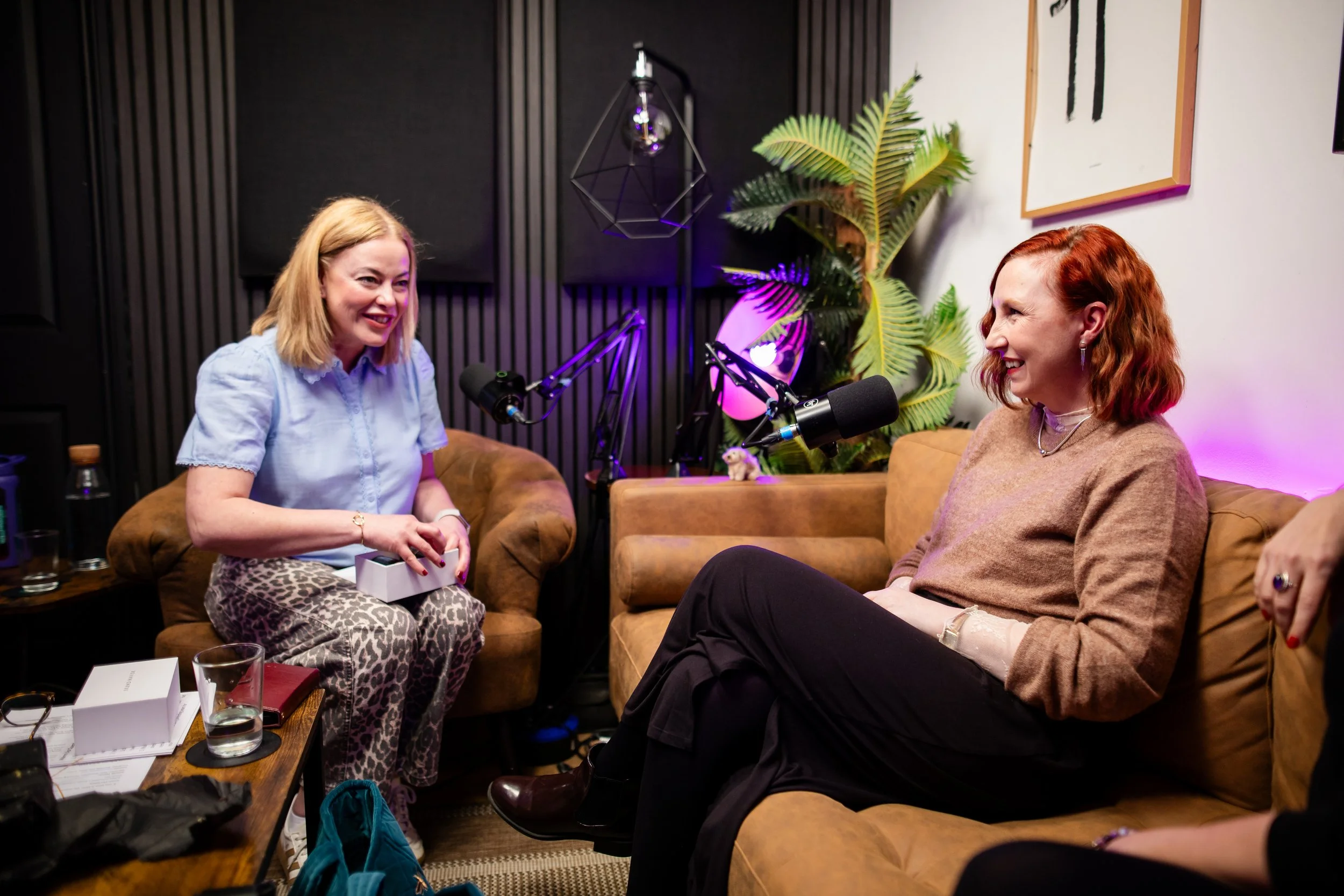
Parental burnout in autistic children's families is one of the most under-named, under-believed experiences in the SEND parenting landscape. In this opening episode of Season 2 of This Voice Is Mine: The Unquiet Podcast, Dr Emma Offord is joined by Lisa Galley - autism consultant, author, and mum to three autistic adults - for a conversation that names it clearly, and refuses to minimise it.
When the System Fails You Twice
Lisa built her career in autism and Speech and Language Therapy the long way round. She studied part time through the Open University, raised three children, sat her finals at nine months pregnant, and worked in high-pressure autism outreach teams before moving into the NHS. Then burnout took it all away. What followed were years of frightening physical symptoms - palpitations, a week on a cardiac ward, suspected mini strokes - and a fragmented medical response that saw her passed between specialists with no joined-up care. Eventually she received a diagnosis of chronic fatigue syndrome. For Lisa, that felt more like an ending than an answer.
What Burnout Actually Looks Like
Lisa's burnout was somatic, severe, and relentlessly minimised. Her husband cared for her for three months. She couldn't get out of bed. She used a stick to walk. Recovery came slowly, and only by stepping away from work entirely and learning to live, as she puts it, within her means. Emma draws on her own clinical background working in chronic pain and medically unexplained symptoms to name what she now recognises in retrospect: so many of those patients were neurodivergent people who had burned out. The medical system was not designed to see it.
Rebuilding on Your Own Terms
The loss wasn't just physical. Lisa had fought hard for a career that took longer and cost more than most, and stepping away from it brought a profound grief. What she built on the other side was something she never planned: an Instagram account called School Run Mum Autism, which started as a gentle creative outlet during recovery and grew into an accidental business rooted in community need. Parents found her not because she had clinical answers, but because she was willing to say: I believe you.
Why Validation Changes Everything
When Lisa began speaking openly online about restrictive diets, screens, meltdowns, and the messy reality of parenting autistic children, the response was immediate. Parents who had been carrying shame for years - told they were spoiling their child, being too soft, doing it wrong - needed someone to reflect back that they were responding to their child's actual nervous system, not failing it. Lisa and Emma discuss why lived experience, not just professional credentials, is what reaches people. And why that validation is not a soft or secondary thing - it is the foundation of change.
The Regulation-First Approach
Beige food. Unlimited screens. Predictable routines. These are not signs of lazy parenting, they are genuine nervous system tools. Lisa explains why screens are regulating for many autistic children: they are predictable, and they offer a sense of control in lives that often feel entirely out of control. Beige food works for the same reason. It tells the nervous system: you are safe. The friction parents feel when they choose these approaches - from family, from professionals, from wider society - is not a sign they are doing it wrong. It is a sign the dominant narrative has not caught up with what neurodivergent children actually need.
Quiet Masking and the Cost of Being the Good One
One of the most affecting moments in this conversation is Lisa's reflection on her daughter, who was not identified as autistic until adulthood. She was always told she was the good girl. She describes her meltdowns as screaming inside. Lisa and Emma explore what quiet masking really means, the gap between how a child appears and what is actually happening in their body, and why calm does not always mean regulated. As Emma puts it: being compliant doesn't equal safe. There may be a great deal going on underneath the surface.
The Trauma of Advocacy
Parents of autistic children carry a cumulative trauma that is rarely named or believed. Emma is direct about this: leaving your child in an environment where you know their nervous system will be triggered is traumatic, and that builds every single day. Lisa and Emma also talk honestly about the professional cost of advocating differently, the criticism from colleagues, the pressure to stay inside accepted lines, and how both of them have learned to hold their ground.
About Lisa's Book
Lisa's debut book, Parenting Your Autistic Child: Permission to Do It Differently (Penguin Random House, August 2026), is exactly what the title promises: not a prescriptive manual, but a permission slip. It is structured as a conversation, and it offers parents the space to build their own family manifesto, grounded in what genuinely works for their child's nervous system, not in what the system expects from them.
Connect with Lisa Instagram: @schoolrunmumautism Find the Autism Parenting Revolution membership at Lisa's website. Pre-order Parenting Your Autistic Child: Permission to Do It Differently (Penguin Random House, 27 August 2026).
This Voice Is Mine: The Unquiet Podcast is for every neurodivergent mind that was masked, misread, or missed. Identity reclaimed. The system named.
02:21: Lisa introduces herself: career, family, accidental business
08:19: What burnout actually looked like: cardiac ward, chronic fatigue diagnosis
14:14: The shame and identity loss of leaving a hard-won career
22:37: Why screens and beige food are genuine nervous system tools
28:55: Quiet masking: calm doesn't always mean regulated
42:48:The pushback Lisa faces for advocating unlimited screen time
45:07:Community over hierarchy: no one person on the podium
49:22Lisa's "this voice is mine" moment: bravery and freedom
What is parental burnout and how is it different from general tiredness?
Parental burnout is a state of physical, emotional, and cognitive exhaustion that builds over time when the demands of caring for a child consistently outweigh your resources and support. For parents of autistic children, it is often compounded by years of advocacy, navigating systems that don't believe you, and absorbing your child's nervous system distress alongside your own. It is not tiredness. It is a collapse, and it can have serious physical consequences.
Why do parents of autistic children experience burnout so often?
Parenting a neurodivergent child inside systems that were not built for them means fighting harder, longer, and with far less validation than other parents receive. The cumulative effect of school meetings, medical appointments, meltdowns, masking, and being routinely doubted or dismissed builds into a kind of trauma that is rarely named as such. Many parents don't recognise burnout in themselves until they are already in crisis.
What does regulation-first parenting mean?
Regulation-first parenting means prioritising your child's nervous system safety above social expectations or conventional behaviour goals. In practice, this might mean allowing beige foods, unlimited screen time, or highly predictable routines — not because you have given up, but because these things genuinely communicate safety to a dysregulated nervous system. It is an approach grounded in neurobiology, not permissiveness.
Is screen time actually harmful for autistic children?
The dominant narrative around screen time does not account for what screens offer neurodivergent children: predictability, control, and sensory regulation in a world that offers very little of either. For many autistic children, screens are a genuine co-regulation tool. Context, relationship, and nervous system need matter far more than time limits.
What does quiet masking look like in autistic children?
Quiet masking is when a child appears calm, compliant, or well-behaved on the outside while experiencing significant internal distress. These children are often praised for being good or easy, which means their struggles go undetected for years. Calm does not always mean regulated. A child can be performing safety without feeling it.
How do I trust my instincts as a parent when professionals keep telling me I'm wrong?
Your knowledge of your child is specific, accumulated, and real. Professional expertise is valuable, but it is general. When there is a gap between what you are observing and what you are being told, that gap is worth paying attention to. Finding community with other parents who share your experience, and accessing information that names what you are seeing, can help you hold your ground without needing external permission to do so.